October 14, 2026 · 7 min read · By Exec Armor
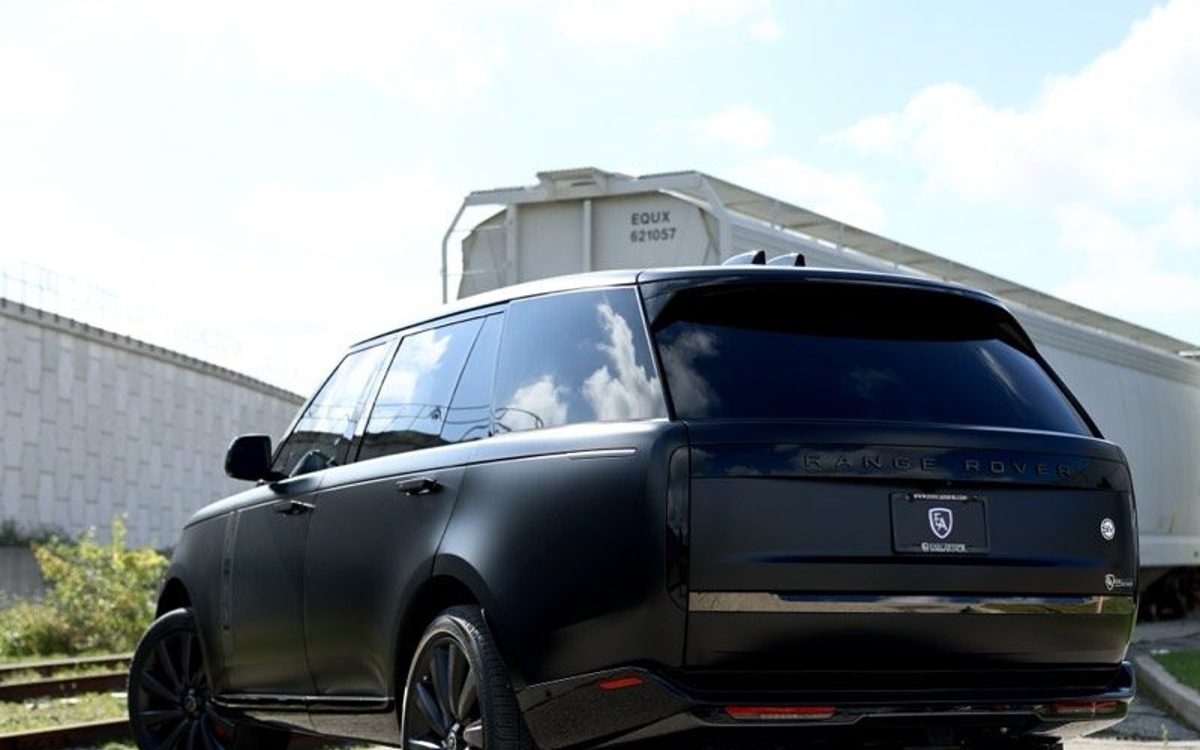
Most clients focus entirely on the build and treat delivery as an afterthought. That is a mistake. Moving an armored vehicle across international borders involves export controls, customs classification, duties, end-user documentation and local registration — and getting any of it wrong can strand a six-figure vehicle at a port for weeks. Here is how the process actually works, and how we handle it for you.
Export: it starts in Canada
Armored vehicles are, in most jurisdictions, treated as controlled goods because ballistic protection has a dual civilian/defence use. Exporting a finished armored vehicle from Canada generally requires correct customs classification, a commercial invoice that accurately describes the armoring, and — depending on destination and protection level — export permits. Our logistics team prepares this documentation as part of every international build, so the vehicle leaves with a clean paper trail from the start.
End-user certificates and destination permits
Many destination countries require an end-user certificate — a document stating who will own and operate the vehicle and confirming it is for lawful civilian or institutional use. Some require an armored-vehicle registration permit beyond the standard vehicle plate: Mexico, Colombia, Brazil, India, the Philippines and several Gulf states are common examples. We advise on these requirements before contract, because lead times for permits can rival the build itself.
Shipping methods
There are three practical ways to move a finished vehicle internationally:
- Container (sea): The most economical option for overseas destinations. The vehicle is secured inside an enclosed container — discreet, weather-protected and insured door-to-port or door-to-door. Transit is typically 3–8 weeks depending on the route.
- Air freight: Fast (2–5 days) and discreet, but expensive — CAD $18,000–$45,000 depending on vehicle size and destination. Used mostly for urgent deliveries and pre-built stock vehicles.
- Enclosed road transport: For North American delivery. Door-to-door from our Vaughan facility, fully insured, with real-time tracking. Included in the build price for most contracts over CAD $200,000.
Duties, taxes and valuation
Import duties and taxes are assessed on the declared value and vary enormously by country — from near zero in some free-trade situations to 30%+ in heavily protected markets. The armoring value is part of the declared value, so accurate, defensible valuation documentation matters. We provide an itemised build specification that separates base-vehicle value from armoring value, which helps your customs broker classify the shipment correctly.
Registration and insurance at destination
In most countries, a civilian armored vehicle registers exactly like its unarmored equivalent — as an SUV, sedan or van. Insurance is available through high-net-worth and specialty carriers; the full ballistic-test documentation we ship with every vehicle is normally sufficient for underwriters. For institutional clients we prepare translated, notarised and apostilled certification where required. Read more about ownership legality in our guide on armored vehicle legality.
How Exec Armor handles it
For international clients, we treat the base vehicle, the armoring and the delivery as a single integrated logistics chain. We source the platform (at cost), build it in Vaughan, prepare all export and destination documentation, book the shipping method that fits your timeline, and track the vehicle to your door. You deal with one team from consultation to keys-in-hand. Explore the full lineup or start a consultation to discuss delivery to your country.
About Exec Armor. We have manufactured custom armored vehicles in Vaughan, Ontario since 2010 — over 500 vehicles delivered to clients in more than 40 countries. CEN BR4–BR7 ballistic protection, ISO 9001 manufacturing, NIJ III & IV equivalent, independent ballistic validation and a global warranty network. Book a free consultation.