August 19, 2026 · 6 min read · By Exec Armor
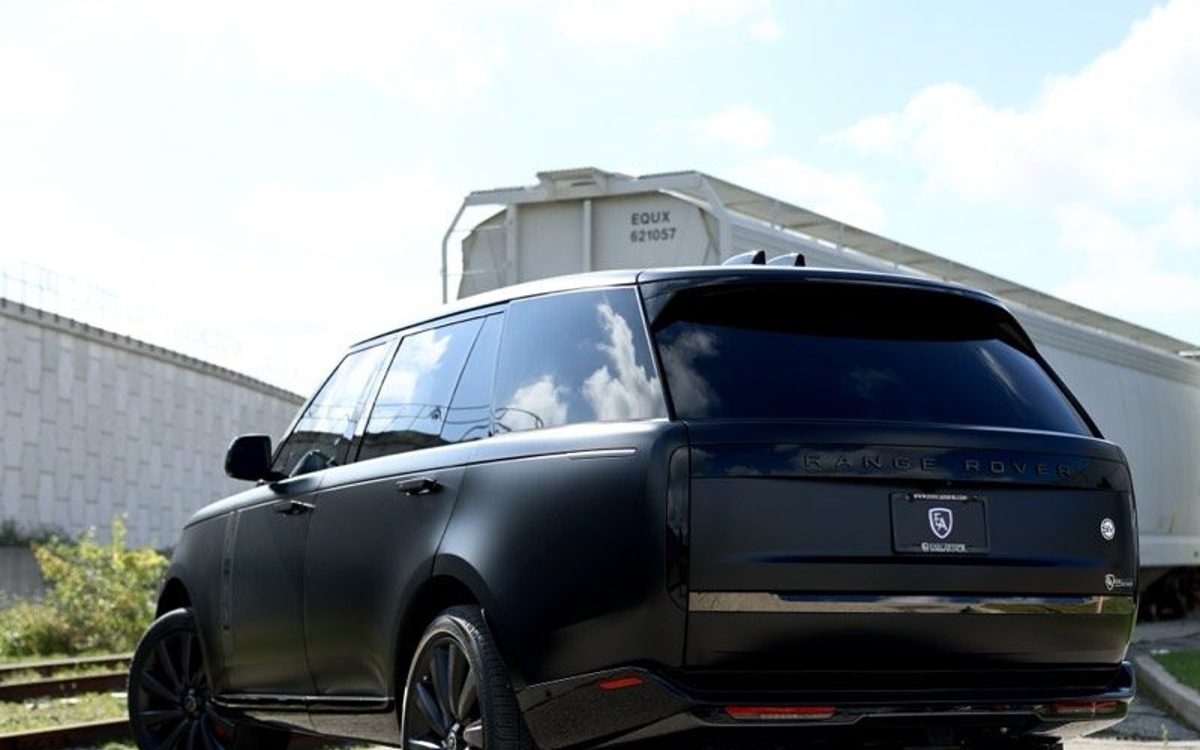
Many prospective buyers ask whether owning an armored vehicle is legal in Canada, and the reassuring answer is that civilian ownership of a passively armoured car is entirely lawful here, as it is in most countries. In this article we explain the distinction between legal passive armour and prohibited offensive devices, walk through registration, insurance and cross-border considerations, and outline where a permit may come into play. Our aim is to give you clear, general educational information so you can approach civilian armored vehicle laws with confidence.
Please note: this article is general information and not legal advice. Rules vary by jurisdiction and change over time, so you should always confirm the specific requirements that apply to you with a qualified professional or the relevant authorities.
Civilian Ownership Is Legal
The question “is it legal to own an armored car” often carries an assumption that these vehicles are somehow restricted or military. In reality, a professionally armoured passenger vehicle is, from a legal standpoint, still a passenger vehicle. In Canada and most jurisdictions worldwide, a private citizen may own, register, insure and drive one just like any other car.
What makes a vehicle armoured is defensive, or passive, protection — materials built into the body and glass that resist ballistic threats. Passive armour does not change the vehicle’s legal classification, because it harms no one; it simply protects the people inside. That is the entire philosophy behind owning a bulletproof car for personal safety.
Passive Armour vs Prohibited Offensive Devices
The most important legal distinction is between protection and weaponry, and it is a line we never cross.
What passive armour includes
- Ballistic steel, composite panels and other opaque armour integrated into the body.
- Multi-layer transparent armour (ballistic glass) in the window openings.
- Run-flat tyre systems, reinforced suspension and other components that keep occupants safe and mobile.
- Optional safety features such as intercoms or reinforced locking systems.
All of these are purely protective. They defend the occupants without posing any offensive threat to others, which is exactly why they are lawful for civilians.
What we do not fit
Exec Armor does not design, build or install offensive or weaponised devices. Items sometimes seen in fiction — weapon systems, or other aggressive countermeasures — fall outside legal civilian use and are not part of our work. Everything we build is defensive, and that is central to why our vehicles remain fully road-legal for private owners.
Registration and Everyday Use
Because a passively armoured vehicle retains its status as an ordinary passenger vehicle, day-to-day ownership is straightforward.
- The vehicle is registered and plated through your provincial authority like any other car.
- It is driven on public roads under the same rules as its unarmoured equivalent.
- Routine servicing follows the same schedule, with attention to the upgraded brake, suspension and tyre systems that support the added weight.
You can learn more about how we support owners in the region on our armored vehicles in Toronto page, and about our approach and values on our about us page.
Insurance Considerations
Insuring an armoured vehicle is generally comparable to insuring the base model, but a few points are worth keeping in mind:
- Disclose the armouring to your insurer so the vehicle’s value and specification are accurately reflected in your coverage.
- Because the modifications add value, you may wish to discuss agreed-value or specialty coverage with a broker familiar with high-value vehicles.
- Keep your build documentation on hand, as it helps substantiate the vehicle’s specification and value in the event of a claim.
A short conversation with an insurer or specialist broker before you take delivery avoids surprises and ensures your protection extends to your policy as well as your vehicle.
Import, Export and Cross-Border Considerations
Armoured vehicles move across borders regularly, but ballistic materials and protective vehicles can be subject to export controls and customs requirements depending on origin and destination.
- Documentation matters: Proper paperwork describing the vehicle and its protective specification smooths customs clearance and demonstrates that the vehicle is defensive in nature.
- Destination rules vary: Some countries regulate the import of armoured vehicles more tightly than others, and requirements can change.
- Plan ahead: If you intend to take your vehicle abroad or import one, build extra time into your schedule for logistics and clearance.
We routinely prepare the documentation that international deliveries require and can guide you through what a given route typically involves, though final confirmation always rests with the relevant customs and export authorities.
When a Permit May Be Required
While ownership is legal in Canada and most countries, some jurisdictions require an armoured-vehicle permit or additional authorisation to own, import or operate one. This is more common in certain regions with specific regulatory frameworks.
- Where a permit is required, thorough documentation of the vehicle’s defensive specification typically supports the application.
- Requirements differ widely, so it is essential to confirm what applies at your destination before you commit to a build or a shipment.
- We are happy to provide the specification details that such processes commonly call for.
Because these rules are jurisdiction-specific and subject to change, we strongly encourage buyers to verify local requirements directly with the appropriate authorities or a qualified legal professional.
A Note on Protection Levels
Legality is separate from how much protection you choose. Passive armour is lawful across the CEN ballistic scale — from BR4, which stops handgun threats up to .44 Magnum, to BR6 against 7.62×51mm NATO rifle fire and BR7 against armour-piercing rounds. The level you select should reflect your genuine threat assessment. It is also worth understanding real-world threats accurately: the commonly referenced AK-47 fires the 7.62×39mm cartridge, which differs from the 7.62×51mm NATO round, and matching your protection to the threats you actually face is the mark of a sound decision.
The Bottom Line
For the vast majority of buyers, owning a passively armoured vehicle in Canada is legal, practical and no more complicated than owning any other high-value car. The keys are to keep the vehicle strictly defensive, register and insure it properly, and confirm the rules for any jurisdiction you plan to drive or ship it to. Pricing for a build depends on the platform, protection level and options you select, and we are always glad to prepare a tailored quote.
If you would like to talk through your situation and understand what ownership would involve for you, our team is here to help. Contact us for a free, no-obligation consultation — there is no pressure, just clear and honest guidance. Remember that this article is educational and not legal advice, so please confirm the specific rules that apply in your jurisdiction.