October 7, 2026 · 6 min read · By Exec Armor
Armored vehicles are surrounded by myths — most of them from film, a few from well-meaning but wrong internet advice. As a manufacturer, we spend a lot of consultation time correcting them. Here are the seven we hear most often.
Myth 1: Cars can be “bulletproof”
No vehicle is bulletproof. The correct term is bullet-resistant, rated to a specific standard. A BR4 vehicle stops handgun rounds; a BR6 stops 7.62 NATO rifle ammunition; a BR7 stops armor-piercing rounds. Every rating defines exactly which threats it defeats — that precision is the whole point. “Bulletproof” is marketing; “rated to BR6” is engineering.
Myth 2: Bulletproof glass is just thick glass
Transparent armor is a laminate of multiple glass layers and polycarbonate, engineered so the strike face cracks and spreads a round’s energy while the polycarbonate backing catches fragments. It is 21–40 mm thick and tuned to the same protection level as the steel. Read the full explanation in our guide to transparent armor.
Myth 3: Armored cars drive like tanks
A properly engineered armored vehicle retains 90–95% of factory ride and braking. The “drives like a tank” reputation comes from vehicles armored badly — weight added without re-engineering the suspension and brakes. Done right, with upgraded springs, dampers, brakes and bearings, the difference is subtle.
Myth 4: You can always tell an armored car
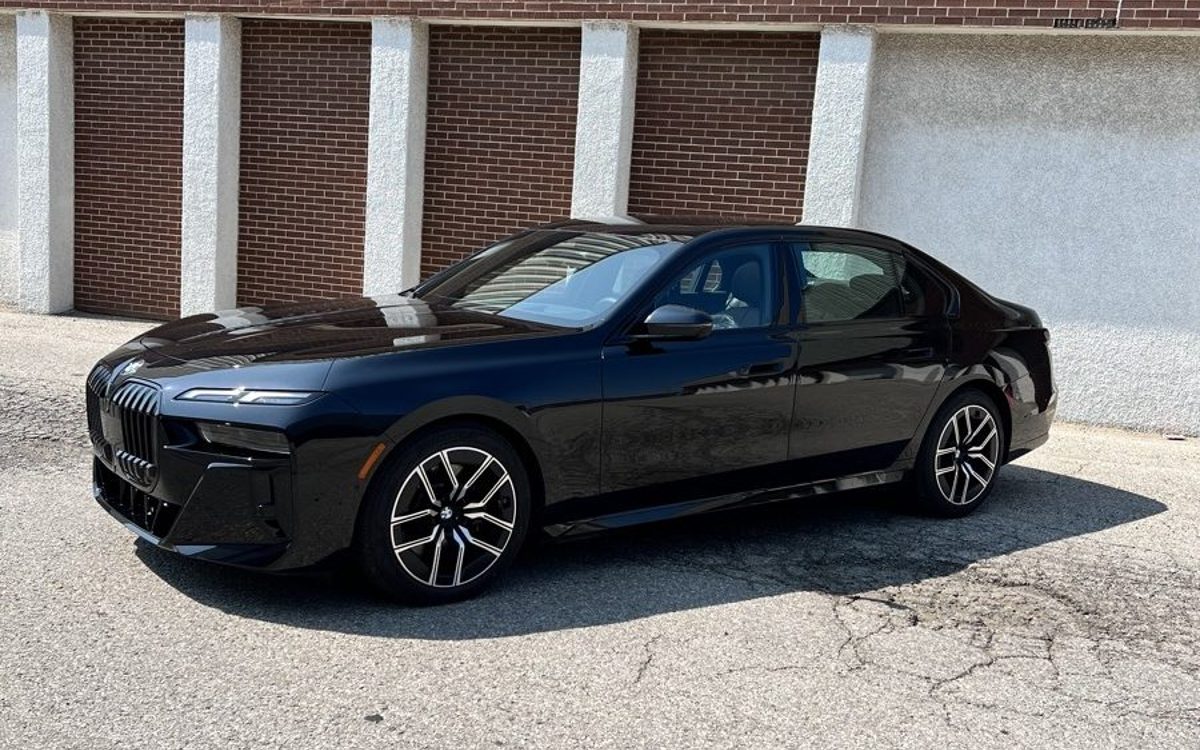
With most of our builds, you cannot. Apart from the G-Class — which proudly looks armored — a well-built armored sedan or SUV is finished to factory tolerances: same glass tint, same panel gaps, stock trim. Discretion is a security feature, and it is one we take seriously.
Myth 5: Armoring is illegal for civilians
In Canada and most of the world, civilian ownership of an armored vehicle up to BR7 is perfectly legal and registers like any other car. Certain active features (sirens, smoke screens) are regulated, which we handle at the design stage. See our full guide on armored vehicle legality.
Myth 6: More armor is always better
Over-armoring is one of the most common mistakes we talk clients out of. BR7 adds hundreds of kilograms, tens of thousands of dollars and real drivability penalties — for protection most clients will never need. The right level matches your realistic threat, and often that is BR4 or BR6.
Myth 7: Any shop can armor a car
Armoring is a manufacturing discipline, not an accessory install. It requires ballistic-steel fabrication, transparent-armor lamination, structural engineering and independent validation. Exec Armor does all of it in-house to CEN BR4–BR7 under ISO 9001 processes. If a provider subcontracts the armoring or can’t show test certification, walk away. Talk to our team about doing it right.
About Exec Armor. We have manufactured custom armored vehicles in Vaughan, Ontario since 2010 — over 500 vehicles delivered to clients in more than 40 countries. CEN BR4–BR7 ballistic protection, ISO 9001 manufacturing, NIJ III & IV equivalent, independent ballistic validation and a global warranty network. Book a free consultation.