August 22, 2026 · 6 min read · By Exec Armor
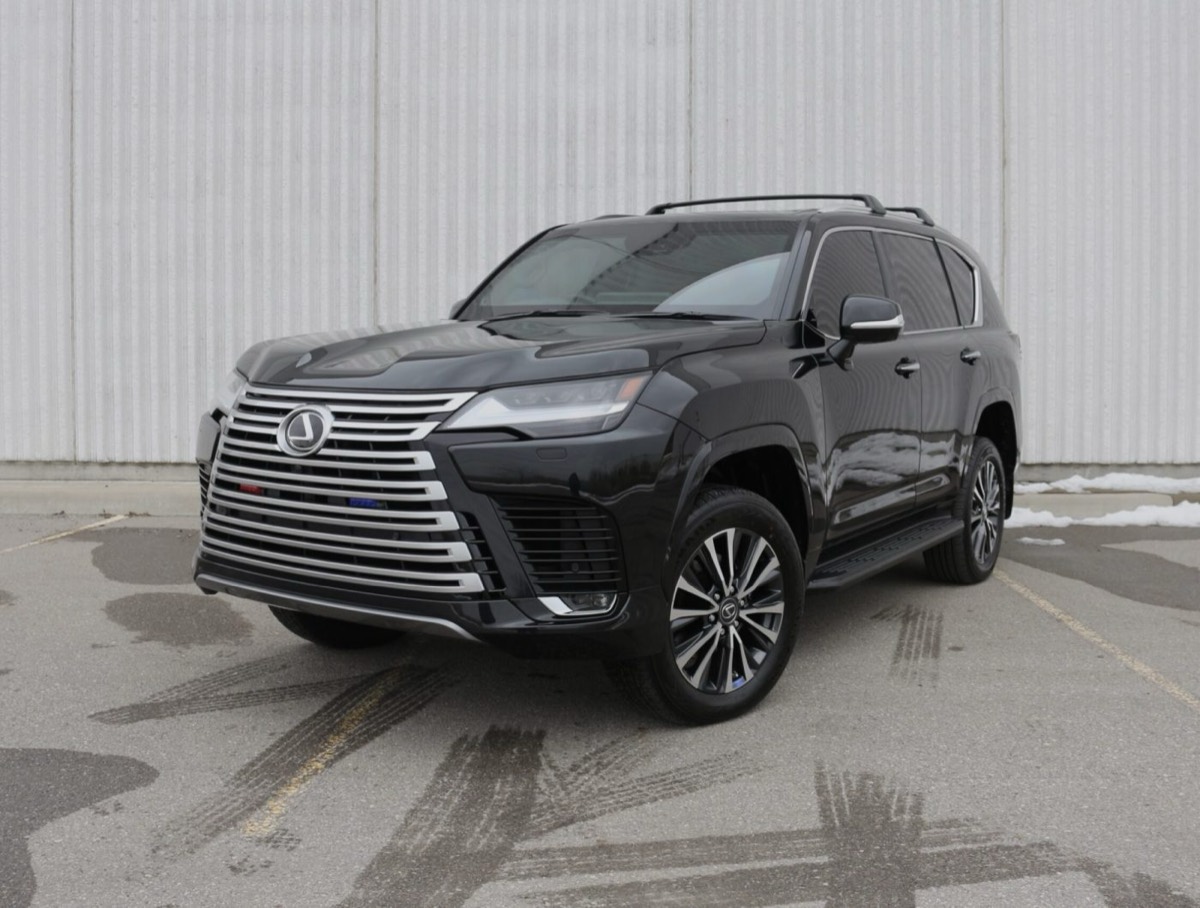
Understanding armored vehicle lead time is essential for any executive, family or security team planning their protection strategy, because the build is a precise engineering project rather than an off-the-shelf purchase. In this article we break down exactly how long it takes to armor a car, stage by stage, and explain what makes one build faster or slower than another. You will also learn how buying from existing stock can compress your timeline when a deadline is looming.
Why Armouring Takes Time
Armouring a vehicle properly means dismantling a factory car down to its shell and rebuilding it around integrated ballistic protection. Every panel, pillar, door and window is re-engineered to defeat specific threats while keeping the vehicle safe, balanced and drivable. That level of craftsmanship cannot be rushed without compromising quality, which is why a professional build follows a disciplined sequence rather than a fixed calendar.
As a general guide, a full custom armouring project typically takes a few months from start to delivery, though the exact duration depends heavily on the factors we outline below. We confirm a precise timeline for your specific build during consultation, once the platform, protection level and options are settled.
The Armoring Process Timeline, Stage by Stage
Every build moves through a series of stages, each of which contributes to the overall armored vehicle build time. Understanding them helps you see where the weeks go.
1. Consultation and threat assessment
We begin by understanding your threat profile, operating environment, passenger needs and budget. This shapes the protection level and options, and it is where the timeline for your project is first estimated.
2. Engineering and design
Our engineers plan how armour will integrate with your chosen platform — ballistic coverage, glass specifications, weight distribution and the supporting upgrades the vehicle will need. Thoughtful engineering here prevents delays later.
3. Teardown and disassembly
The vehicle is stripped of interior trim, glass, door panels and other components to expose the body structure. Careful documentation at this stage ensures everything reassembles perfectly.
4. Ballistic fabrication and installation
Opaque armour — ballistic steel, composites and other materials — is cut, formed and fitted to the roof, floor, pillars, doors and firewall to create a continuous protective envelope with no gaps at the overlaps and seams.
5. Transparent armour installation
Multi-layer ballistic glass is fitted to every window opening. This glass is thick and heavy, so frames and regulators are reinforced or replaced to carry it reliably.
6. Suspension, brake and drivetrain upgrades
Because protection adds significant weight, we upgrade suspension components, brakes and often add run-flat systems so the finished vehicle stops, steers and rides safely at its new mass.
7. Reassembly and finishing
Interior trim, electronics and exterior components are reinstalled so the vehicle looks and feels factory-fresh — ideally giving no external hint that it is armoured at all.
8. Quality assurance and validation
The completed vehicle undergoes thorough inspection and functional testing. Materials are selected and installed to meet recognised ballistic standards, and every system is checked before the vehicle is cleared for delivery.
9. Logistics and delivery
Finally, we coordinate delivery or export, including the documentation that cross-border shipments require. Depending on destination, logistics can add meaningful time to the overall schedule.
You can read more about how these stages fit together on our vehicle armoring page.
What Makes a Build Faster or Slower
Two projects starting on the same day can finish weeks apart. These are the biggest variables behind how long to armor a car.
- Platform: Common, readily available vehicles move faster than rare or specialty models that require sourcing or unusual fabrication.
- Protection level: Higher CEN levels — from BR4, which defeats handguns up to .44 Magnum, through BR6 against 7.62×51mm NATO rifle rounds and BR7 against armour-piercing threats — involve more material, more weight and more supporting engineering, all of which add time.
- Options and customisation: Features such as intercoms, siren and PA systems, upgraded electrical capacity, or bespoke interiors extend the build.
- Client change orders: Changes requested after fabrication has begun are one of the most common causes of extended timelines, since work may need to be revisited.
- Vehicle supply: If we are sourcing the base vehicle for you, its availability directly affects your start date.
Matching your protection level to your genuine threat profile keeps the build efficient. It is worth remembering that threats are specific: the widely encountered AK-47, for example, fires the 7.62×39mm cartridge rather than 7.62×51mm NATO, and specifying the correct level for the threats you actually face avoids both over-building and under-protecting.
The Faster Path: Buying Pre-Built Stock
When a deadline cannot wait for a full custom build, pre-armoured vehicles are the answer. These are completed builds ready for final preparation and delivery, which removes most of the fabrication timeline from your schedule.
- Dramatically shorter time to delivery compared with a ground-up build.
- Protection levels and specifications you can review before you commit.
- An ideal solution for urgent security needs or interim coverage while a custom vehicle is built.
We encourage clients with pressing timelines to review our current stock of ready vehicles, which can often be delivered far sooner than a bespoke project.
Planning Around Deadlines
The single most effective way to manage lead time is to start the conversation early. A few practical principles help:
- Engage us as soon as you know a protected vehicle is on your horizon, ideally months ahead of when you need it.
- Settle your platform, protection level and options early to avoid mid-build change orders.
- Build in a buffer for logistics, especially for international delivery and customs.
- Consider a stock vehicle as a bridge if your custom build cannot be ready in time.
Because every project is unique, we never quote a one-size-fits-all number of weeks as a guarantee. Instead, we give you a realistic, tailored schedule at consultation and keep you informed at each milestone. Pricing likewise depends on the platform, protection level and options you choose, and we build a specific quote around your requirements.
If you have a date in mind and want to know what is realistically achievable, we would be glad to help. Contact us for a free, no-obligation consultation and we will map out a timeline built around your deadline.