June 27, 2026 · 6 min read · By Exec Armor
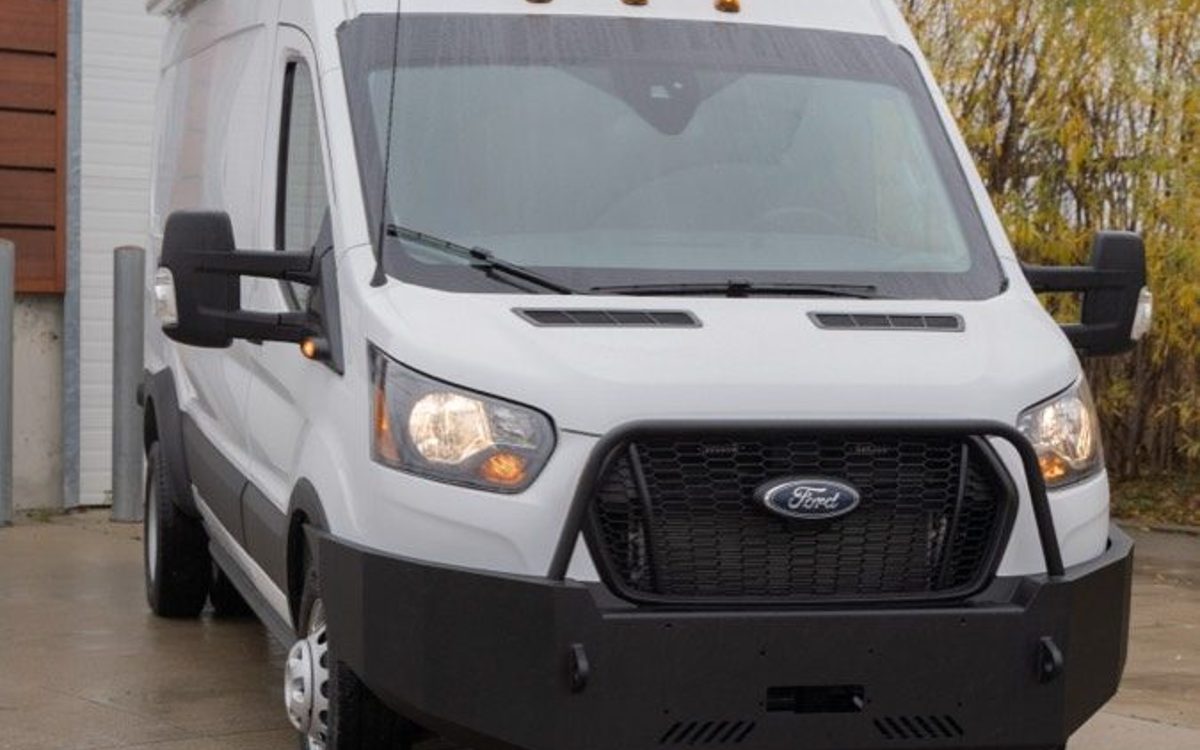
A cash in transit vehicle is the backbone of secure valuables logistics, moving currency, coin, and high-value goods between banks, retailers, and cash centres every hour of the working day. In this complete guide we explain what CIT vehicles are, who relies on them, the design features that keep crews and cargo safe, and how to think about a fleet that has to perform reliably for years. If you are specifying, upgrading, or standardising a CIT fleet, this is the practical grounding you need.
What Is a Cash-in-Transit Vehicle, and Who Uses One?
Cash-in-transit refers to the physical movement of money and other valuables by a protected crew in a purpose-built armoured vehicle. The threat is specific and persistent: attackers know exactly what the vehicle carries and often when and where it will be. That certainty is what makes CIT one of the most demanding applications in the armouring world.
The operators who depend on these vehicles include:
- Banks and credit unions replenishing branches and clearing deposits.
- Retailers and cash-handling businesses moving daily takings.
- ATM servicers loading and reconciling machines across wide networks.
- Valuables logistics firms transporting jewellery, precious metals, and other high-worth goods.
Each of these operators has a slightly different route profile, cargo type, and risk tolerance — which is why an armored CIT truck is rarely a one-size-fits-all product.
Key Design Features of an Armoured CIT Vehicle
A well-built CIT armored van is organised around a simple principle: protect the crew, secure the cargo, and control every point of access. The following features do that work.
Secure Cargo and Vault Area
The heart of any CIT vehicle is a hardened cargo or vault compartment, isolated from the crew cab and reinforced against forced entry. Access is deliberately restricted, and in many configurations the load area is separated so that a compromise in one zone does not expose the other.
Crew Cab Protection
The crew — driver, guard, and custodian — sit in an armoured cab specified to a recognised ballistic standard. For most urban CIT work, a handgun-rated level such as CEN BR4, which defeats threats up to the .44 Magnum, is a common baseline; higher-risk regions may call for rifle-rated protection to standards such as BR6, which defeats 7.62×51mm NATO rifle rounds. The correct level always follows a realistic threat assessment.
Deposit Hatches and Controlled Access
Secure deposit hatches and gun ports (where legal and required) let crews transfer cash without fully opening the vehicle, minimising the window of vulnerability during a pickup or drop. Well-designed access controls are often what defeat an opportunistic attack.
Run-Flats, Alarms, and Immobilisers
A CIT vehicle has to keep moving under duress and stay locked down when parked:
- Run-flat inserts so a tyre attack cannot strand the crew.
- Alarms and duress signalling to summon help discreetly.
- Immobilisers and interlocks that prevent the vehicle being driven or opened without authorisation.
Camera and DVR Systems
Multi-angle cameras with an onboard digital video recorder give operators evidential coverage of every stop, deter attacks, and support crew accountability and dispute resolution. In modern fleets, recorded coverage is treated as standard, not an extra.
Fleet Considerations: Building for the Long Haul
Specifying one vehicle is straightforward; specifying a fleet that has to run for years is where experience counts. Four factors dominate the decision.
Durability and Reliability in Harsh Climates
CIT vehicles work in extreme heat, deep cold, dust, and road salt. Armour, seals, electrical systems, and cooling all have to be engineered for the operating climate — a vehicle that fails in a Canadian winter or a desert summer is a route that does not run.
Serviceability and Uptime
A grounded vehicle is lost revenue and lost coverage. Fleets should be built around straightforward maintenance access, sensible service intervals, and ready parts availability so downtime stays short.
Standardisation
Running a common platform and configuration across the fleet simplifies driver training, spare-parts stocking, and maintenance. Standardisation lowers the total cost of ownership and reduces the chance of a rare component grounding a vehicle for weeks.
Configuration Flexibility
Within a standardised fleet, individual vehicles can still be tailored — seating counts, hatch placement, shelving, and protection level — to match different routes and cargo types. Our cash-in-transit vehicle programme is built around exactly this balance of common platform and route-specific detail.
Choosing the Right Platform: Vans and Trucks
CIT work spans everything from nimble urban vans to heavy-duty trucks for high-volume cash-centre runs.
- Vans excel in dense urban environments, at retail pickups, and on ATM routes with frequent short stops.
- Trucks and larger chassis carry greater payload and heavier vault protection for high-value or long-distance transfers.
The van remains the workhorse of the industry. Our armored Ford Transit is a good example of a proven, widely supported platform that balances manoeuvrability, payload, and parts availability — a sensible foundation for many urban and ATM-servicing fleets.
Worldwide Delivery for Fleets
Cash-in-transit is a global business, and fleets are often deployed across multiple countries and jurisdictions. We build to recognised international standards and deliver worldwide, which means an operator can maintain a consistent specification, protection level, and configuration across an entire multinational fleet. That consistency pays off in training, servicing, and compliance long after delivery. Local regulations for cash-in-transit operations — from crew requirements to permitted vehicle features — also vary by country, so building to a recognised standard and keeping clear documentation makes compliance far simpler as a fleet crosses borders.
Getting the Specification Right
Effective cash in transit security is the sum of many decisions — protection level, access control, crew ergonomics, technology, and long-term supportability — each tuned to your routes and risk profile. Getting it right at the specification stage saves cost and prevents grief for years afterwards.
Because every fleet’s routes, cargo, and threat environment differ, pricing depends on the chosen platform, protection level, and configuration options, so we scope each fleet individually rather than quote a headline figure. If you would like a tailored fleet recommendation and a no-obligation quote, we invite you to contact our team for a free, confidential consultation.