September 29, 2026 · 6 min read · By Exec Armor
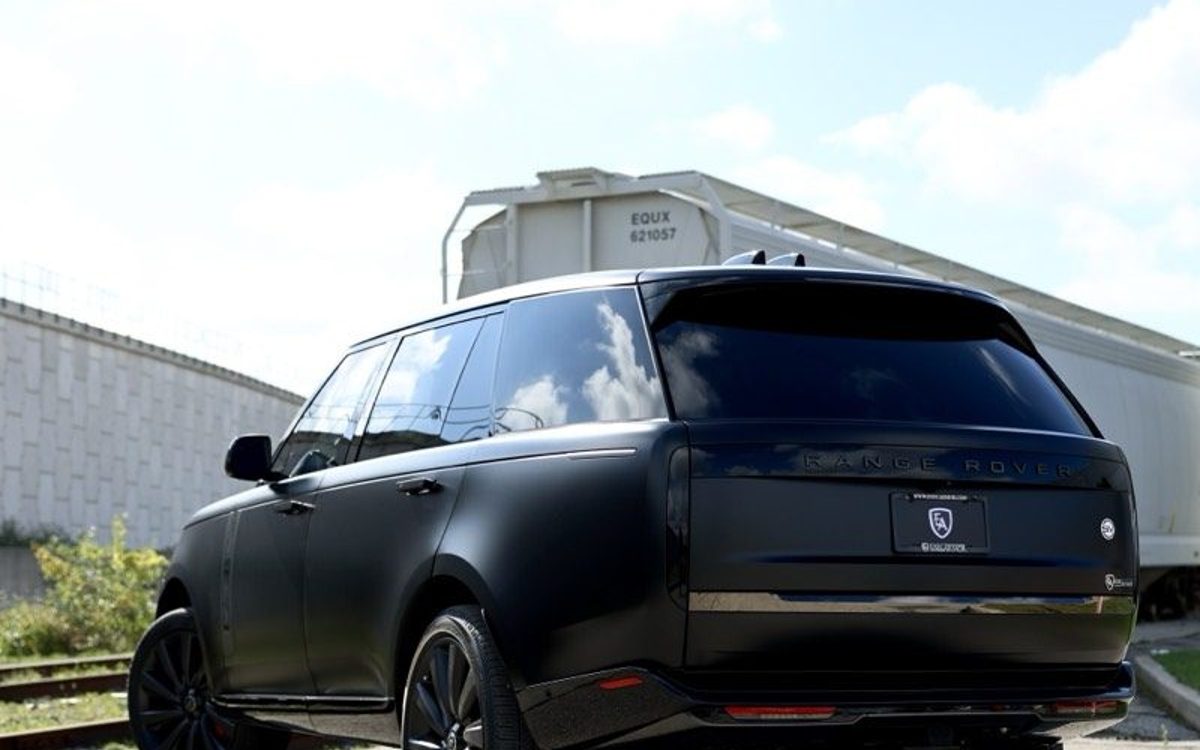
Buying a used armored vehicle can be a smart, fast way to get protected transport on the road — but only if you know exactly what you are looking at before you commit. Armor hides inside doors, pillars, glass and floors, so the things that matter most are the things you cannot see in a quick walk-around. This guide walks you through how to evaluate used armored vehicles, how they differ from a factory-fresh pre-built armored vehicle, and why the safest path is often buying in-stock from the original manufacturer.
Used vs. Pre-Built: Two Very Different Purchases
People often lump every ready-to-drive option under “armored vehicles for sale,” but there are two distinct categories, and they carry very different risks.
What a used armored vehicle really is
- A vehicle that was armored at some earlier point and has already been owned, driven and — sometimes — hard-used.
- Its protection level depends entirely on who built it, what standard they built to, and how well the armor package has aged.
- Documentation and history are everything. Without them, you are guessing.
What a pre-built armored vehicle is
- A brand-new, factory-fresh unit that a manufacturer has already armored and holds in inventory — an in-stock armored vehicle ready to ship.
- The armor is new, certified and built to a documented standard, with a fresh donor vehicle and full warranty.
- You skip the custom-build queue entirely: no waiting weeks or months for a bespoke build to move through the shop.
The short version: a used unit trades certainty for availability. A pre-built unit gives you both new-build certainty and near-immediate availability.
Why Pre-Built / In-Stock Skips the Build Queue
Custom armoring is meticulous work. Panels are cut, fitted and tested; glass is laminated; suspension is upgraded to carry the added weight. That takes time. A pre-built armored vehicle has already completed that entire process before you ever call.
- No design lead time: the engineering and fabrication are done.
- No production slot to wait for: the unit exists today.
- Predictable delivery: you are scheduling logistics, not a build.
If your timeline is measured in days or weeks rather than months, browsing what is on hand in current stock is usually the fastest route to a fully protected vehicle. To understand what actually goes into that protection, our overview of vehicle armoring explains the process from donor selection to final testing.
What to Check on ANY Used Armored Vehicle
Before buying a used armored car, run through this list. Any gap here is a reason to slow down and ask more questions.
Provenance & build documentation
- Original build sheet, protection-level certificate and materials list.
- Chain of ownership and where the vehicle has operated.
- Any incident, ballistic-strike or accident history.
Who armored it — and to what standard
- Confirm the armorer and the exact standard. CEN BR4 stops handgun threats up to .44 Magnum; BR6 stops 7.62×51mm NATO rifle rounds; BR7 stops 7.62×51mm armour-piercing rounds.
- Know your threat: the common AK-47 fires 7.62×39mm, a different cartridge from the 7.62×51 rifle rounds referenced at the BR6–BR7 levels, so match the rating to the actual risk.
- Be wary of vague claims like “bulletproof” with no standard attached.
Ballistic re-certification
- Armor materials age. Ask whether the package has been inspected or re-certified.
- Prior rounds fired at a panel can compromise it; certification confirms current integrity.
Transparent-armor (glass) delamination
- Look for cloudiness, yellowing, bubbling or separation between glass layers at the edges.
- Delaminated armored glass loses clarity and protection and is expensive to replace.
Corrosion
- Added steel and sealed cavities can trap moisture; check door bottoms, sills and floor pans.
- Rust behind armor plating is hard to see and harder to fix.
Suspension, brakes & run-flat wear
- Armor adds significant weight; inspect for tired springs, dampers and worn brake components.
- Check the age and condition of run-flat inserts — they degrade over time even unused.
Electrical & auxiliary systems
- Test power windows, locks, sirens, intercoms and any defensive features under load.
- Heavy doors strain motors and hinges, so exercise every one.
Warranty transfer
- Confirm whether the armor and the base-vehicle warranties transfer to you.
- Get the terms in writing before money changes hands.
Red Flags to Walk Away From
Some warning signs should stop a deal cold, no matter how attractive the vehicle looks.
- No paperwork: a seller who cannot name the armorer or produce a build sheet.
- Unverifiable rating: protection claims with no recognized standard or certificate.
- Cosmetic cover-ups: fresh paint or trim hiding corrosion, or glass edges quietly delaminating.
- Pressure tactics: urgency that discourages inspection or an independent review.
- Mismatched weight rating: a base vehicle never upgraded to carry the armor it now holds.
Why Buying Pre-Built From the Original Manufacturer Is Safest
When you buy an in-stock armored vehicle directly from the company that built it, most of the risk above simply disappears.
- Full traceability: the manufacturer knows every material, weld and panel in the vehicle.
- New, certified armor: no aging, no prior strikes, no guesswork about the standard.
- Engineered as a whole: suspension, brakes and run-flats matched to the finished weight.
- Real warranty and support: backed by the people who can service it.
Ownership does not end at delivery, either. A manufacturer that offers structured vehicle maintenance keeps the armor package, running gear and safety systems performing for the life of the vehicle — something a private used sale rarely provides.
How to Move Quickly Without Cutting Corners
Speed and diligence are not opposites. If you need an armored vehicle for sale in Canada — or shipped worldwide — on a tight timeline, here is how to move fast responsibly.
Prepare before you shop
- Define your threat level and required protection standard up front.
- List must-have features so you can compare available units objectively.
Prioritize in-stock inventory
- Start with pre-built units that already meet your spec.
- Confirm certification, warranty and delivery logistics in one conversation.
Verify, then commit
- Get documentation in hand and, for any used purchase, an independent inspection.
- Once the paperwork checks out, a factory-fresh unit can move to delivery quickly.
Whether you are weighing used armored vehicles against a new build or ready to secure an in-stock unit today, we are happy to walk you through the options and the documentation. Contact us and we will help you match the right protected vehicle to your threat profile and timeline.