July 11, 2026 · 6 min read · By Exec Armor
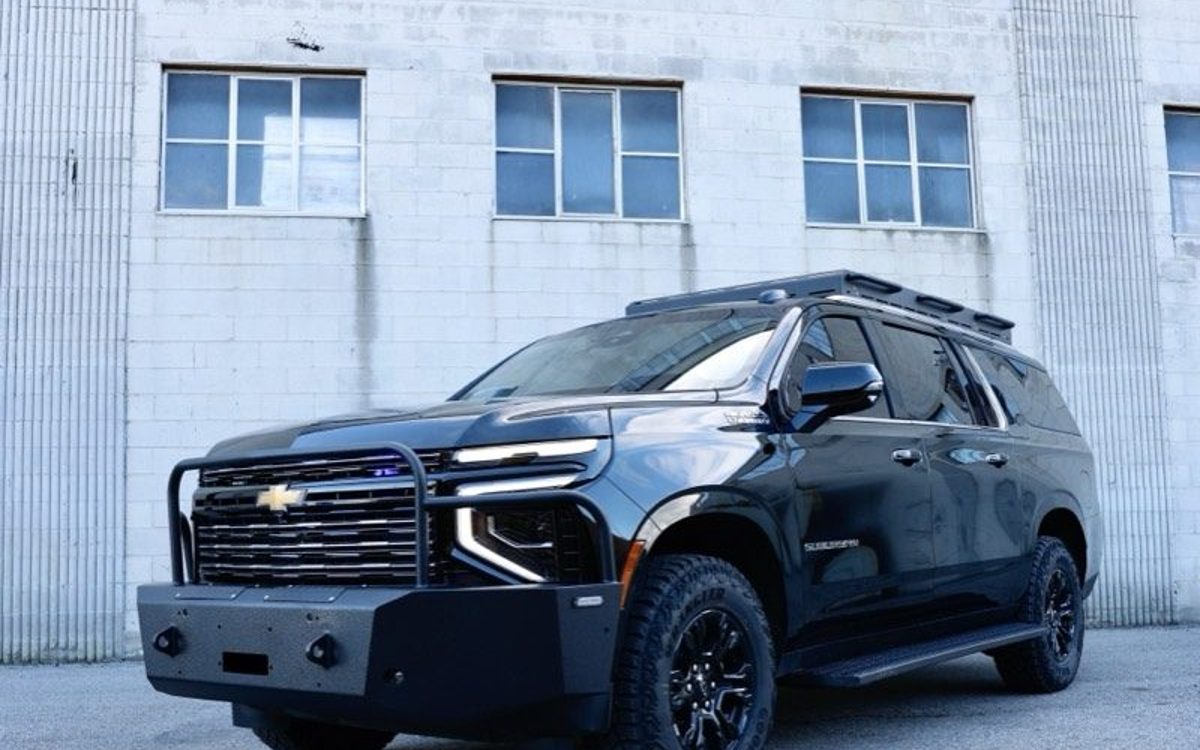
An executive protection vehicle is far more than a car with steel plates — it is a mobile safe room, a communications hub, and often the single most important asset in a close-protection operation. In this guide we explain how security professionals select, configure, and deploy armoured cars for VIP work, why the platform choice matters, and how the vehicle fits into a broader protective programme. Whether you protect a corporate executive, a public figure, or a high-net-worth family, understanding these principles will help you make better decisions and ask sharper questions.
The Role of the Vehicle in an Executive Protection Programme
Most attacks against protected principals happen in or around the vehicle, typically at predictable points in the day — the residence departure, the office arrival, and any halt in between. The vehicle is where the principal is most exposed and least able to move freely, which is exactly why it becomes the centrepiece of the protective plan.
A well-chosen VIP armored car buys the one thing a protection detail needs most in a crisis: time. Time to recognise a threat, time to accelerate out of a kill zone, and time for the security team to react. It does not replace training, route planning, or advance work — it makes all of them more effective.
What Security Teams Look For in a Close Protection Vehicle
Experienced teams evaluate a close protection vehicle against a short list of non-negotiables. Each one reflects a lesson learned from real-world operations.
Protection Level Matched to the Threat
Armour is specified to a recognised standard such as the European CEN BR series. The correct level is driven by a realistic threat assessment, not by a wish list:
- CEN BR4 defeats handgun threats up to and including the .44 Magnum — appropriate where the risk is street crime, carjacking, or an armed snatch.
- CEN BR6 defeats 7.62×51mm NATO rifle rounds — suited to higher-risk regions where long guns are a genuine possibility.
- CEN BR7 defeats 7.62×51mm armour-piercing ammunition — reserved for the most severe environments.
It is worth noting that a common battlefield rifle such as the AK-47 fires the 7.62×39mm cartridge, a different round again. Matching the protection level to the actual ammunition in a given threat environment is a technical decision, and it is one we walk every client through carefully rather than defaulting to “more is better.”
Discretion
The best executive vehicles do not announce themselves. Retaining the factory appearance — the same ride height, glass line, and trim as a standard model — keeps the principal from becoming a target of opportunity. Low-key protection is often better protection.
Reliability and Performance
Armouring adds weight, so the drivetrain, brakes, and suspension must be engineered to carry it without compromising the ability to accelerate away or brake hard. A vehicle that hesitates under load is a liability.
Room for the Detail
A close protection vehicle has to seat the principal and the protection team in comfort, with space for kit and, in some configurations, medical equipment. Interior packaging matters as much as ballistic packaging.
Run-Flat Systems and Optional Equipment
Certain capabilities separate a purpose-built EP vehicle from a merely armoured one:
- Run-flat inserts that let the vehicle drive away on deflated tyres after a spike strip or gunfire.
- Reinforced suspension and braking calibrated to the finished weight.
- Communications and power provisions for radios, tracking, and secure devices.
- Optional features such as intercoms, siren and PA systems, deadlocks, and emergency lighting, specified to the client’s operating environment.
SUV, Sedan, or Specialty Platform for Executive Protection?
There is no single “best” vehicle — only the best fit for the mission. The choice usually comes down to three families of platform.
The Executive Armored SUV
The executive armored SUV has become the default choice for many details, and for good reason. Its size accommodates a full protection team, its ground clearance handles kerbs and rough terrain during an evasive manoeuvre, and its powertrain copes well with the added armour weight. Our armored SUV builds are popular precisely because they balance protection, capacity, and a commanding driving position. For teams weighing their options, the SUV is often the most versatile starting point.
The Armoured Sedan
A sedan offers superior discretion and a lower, more agile profile in dense urban traffic. Where blending in is the priority — corporate settings, motorcades that must not draw attention — a well-executed armoured sedan is hard to beat.
Specialty Platforms
Some missions call for something more purpose-built — personnel carriers, high-capacity people-movers, or heavily specified command vehicles. Our range of specialty vehicles covers requirements that fall outside the standard SUV and sedan formats, including builds for larger details and higher threat tiers.
Motorcade and Convoy Considerations
A single vehicle rarely operates in isolation. In a motorcade, the protected vehicle is supported by lead and follow cars, and the whole formation has to move as one. Key planning points include:
- Consistent performance across the convoy so no vehicle is left behind during an evasive move.
- Interoperable communications linking every driver and team leader.
- Rehearsed embus and debus drills at arrival and departure points, where exposure peaks.
- Pre-planned routes and alternates, with the armour giving the team margin if a route is compromised.
Driver Familiarisation and Training
An armoured vehicle drives differently from its standard counterpart. The extra mass changes braking distances, cornering behaviour, and the feel of the steering. A protection driver must be familiarised with the specific vehicle before it goes operational — understanding its weight, its limits, and how it responds under hard braking and rapid acceleration. We encourage every client to build driver familiarisation into the handover, because the finest armour is only as good as the person behind the wheel.
The Vehicle as One Layer in a Broader Security Plan
It bears repeating: the vehicle is a layer, not the whole solution. A sound protective programme wraps the armoured car in advance work, threat intelligence, route analysis, residence and venue security, and a trained team that knows its drills. The car protects the principal during the most dangerous minutes of the day; everything around it works to make sure those minutes never turn into an incident. When those layers are aligned, the vehicle does its job quietly and the principal never knows how close a bad day came.
Because every threat picture and budget is different, pricing for an executive protection build depends on the platform, the protection level, and the optional equipment you choose — so we prefer to scope each project individually. If you would like a tailored recommendation and a no-obligation quote, we invite you to contact our team for a free, confidential consultation.