August 26, 2026 · 6 min read · By Exec Armor
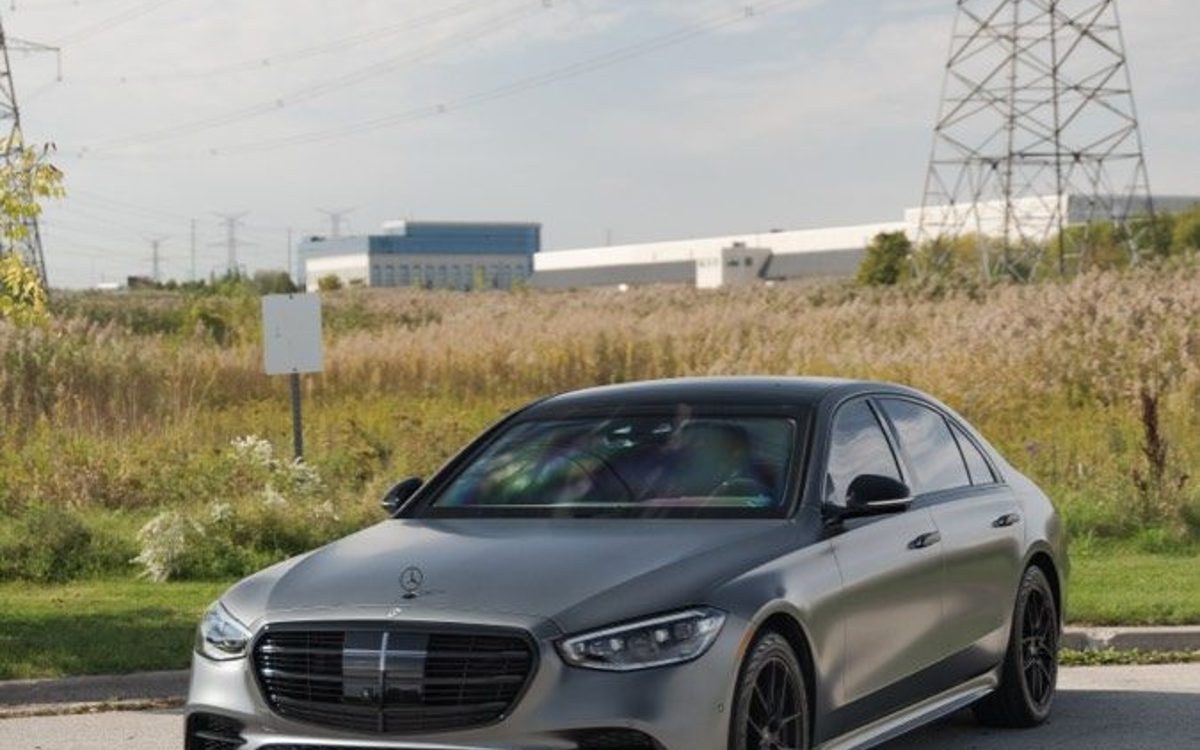
Choosing between an armored SUV vs sedan is one of the first and most consequential decisions any principal, family or security team will make, because the platform shapes everything from your on-road presence to how the vehicle handles under threat. In this guide we walk through the real trade-offs — discretion, capacity, ride quality, terrain and protection level — so you can identify the best armored vehicle for your specific mission. By the end you will know how to approach choosing an armored car with confidence rather than guesswork.
Two Platforms, Two Philosophies
At the most basic level, the decision comes down to how you want to move through the world. An armored SUV projects capability and command presence, while an armored sedan blends into traffic and draws no second glances. Neither is inherently superior; the right answer depends on your threat profile, your daily routine and who is riding with you.
Both platforms start life as factory vehicles that we strip and rebuild around a ballistic shell. The engineering discipline behind our vehicle armoring process is identical regardless of body style — what changes is how the finished vehicle looks, carries and drives.
Presence vs Discretion
Presence and discretion pull in opposite directions, and understanding which one serves you is central to the armored SUV vs sedan question.
When presence is an asset
- Large SUVs signal that a principal is protected, which can deter opportunistic threats before they materialise.
- Motorcades and government details often want visible capability as part of their security posture.
- The commanding ride height gives occupants and drivers a better view of their surroundings.
When discretion is the priority
- A sedan that looks factory-standard avoids advertising that anything of value is inside.
- Executives who want to arrive at meetings without spectacle are often better served by a low-profile car.
- In dense urban settings, blending into traffic can be a more effective defence than intimidation.
Seating, Cargo and Everyday Practicality
Capacity frequently decides the matter before protection levels even enter the conversation. If you are moving a family, a close-protection team or luggage for extended travel, the extra volume of an SUV is hard to replace.
Where the SUV wins
- Room for five to seven occupants plus a security detail, child seats or medical equipment.
- Generous cargo space for luggage, run bags and communications gear.
- Easier ingress and egress for older passengers or anyone wearing body armour.
Where the sedan holds its own
- Comfortable seating for a principal and one or two companions.
- A more intimate, executive-lounge cabin for working or resting between engagements.
- A smaller footprint that is easier to park and manoeuvre in tight city cores.
Explore how these differences play out across specific builds on our armored SUV and armored sedan pages.
Ride, Handling and Performance After Armouring
Armouring adds substantial weight to any vehicle, and how that weight is managed separates a professional build from a compromised one. Both platforms benefit from upgraded suspension, brakes and often run-flat tyre systems so the vehicle stops, steers and accelerates safely at its new mass.
SUVs typically start with heavier-duty chassis, brakes and drivetrains, so they absorb the added protection with more margin to spare. Full-size platforms are engineered for towing and payload, which translates well to carrying armour. Sedans can be armoured beautifully too, but because they begin lighter, the proportional impact of the added weight is greater — making disciplined suspension and brake engineering essential. In every case, we re-balance the vehicle so the finished ride feels controlled and predictable rather than nose-heavy or sluggish.
On-Road, Off-Road and Terrain
The environment you operate in should weigh heavily on your choice.
- SUVs handle rough roads, unpaved routes, ranch or estate access, and regions with poor infrastructure. Available all-wheel and four-wheel drive add traction and the ability to leave a paved route if an evasive move is required.
- Sedans are optimised for paved urban and highway driving, where their lower centre of gravity and refined manners shine. For principals whose life is city-to-airport-to-office, that focus is a genuine advantage.
If your travels take you between polished downtown cores and unpredictable outlying areas, the versatility of an SUV usually wins. If you rarely leave developed roads, a sedan gives you everything you need with less bulk.
Protection Levels Available on Each
Both body styles can be built to internationally recognised protection standards, and the platform does not limit how well protected you can be. We routinely armour vehicles across the CEN ballistic scale:
- BR4 defeats handgun threats up to and including .44 Magnum — a common and highly capable choice for executives facing urban risks.
- BR6 stops high-powered rifle rounds including 7.62×51mm NATO, appropriate for elevated threat environments.
- BR7 defeats 7.62×51mm armour-piercing ammunition for the most demanding scenarios.
Because heavier protection means more weight, the SUV’s payload headroom can make higher levels easier to accommodate without sacrificing drivability. That said, sedans are regularly built to robust standards as well; the right level is a function of your threat assessment, not simply your body style. To understand real-world threats such as rifle fire, remember that the widely encountered AK-47 fires the 7.62×39mm cartridge — a different round from the 7.62×51mm NATO cartridge — and your protection level should be matched to the specific threats you actually face.
Who Each Platform Suits Best
The armored SUV is often ideal for
- Families who value space, safety and flexibility.
- Security details and motorcade operations that need seating and gear capacity.
- Clients operating in mixed or challenging terrain, or across regions with variable infrastructure.
The armored sedan is often ideal for
- Executives and VIPs who prize discretion and a low profile.
- Principals whose routine is concentrated in urban and highway settings.
- Those who want protection that is invisible to the untrained eye.
How to Decide
Work through these questions honestly and the answer usually reveals itself:
- What is my genuine threat profile, and what protection level does it call for?
- How many people and how much gear must the vehicle carry on a typical day?
- Do I want to project presence, or disappear into ordinary traffic?
- What roads and regions will I actually drive, and how often do I leave paved surfaces?
- Which vehicle fits the image and lifestyle I want to project?
There is rarely a single perfect answer, and many clients ultimately run one of each for different roles. What matters is matching the platform to the mission rather than to fashion. Pricing depends on the platform you select, the protection level, and the options you choose, so we build every quote around your specific needs.
If you would like help weighing these trade-offs against your own situation, our engineering and consultation team is happy to talk it through. Contact us for a free, no-obligation consultation and we will help you choose the platform that truly fits your life.