August 5, 2026 · 6 min read · By Exec Armor
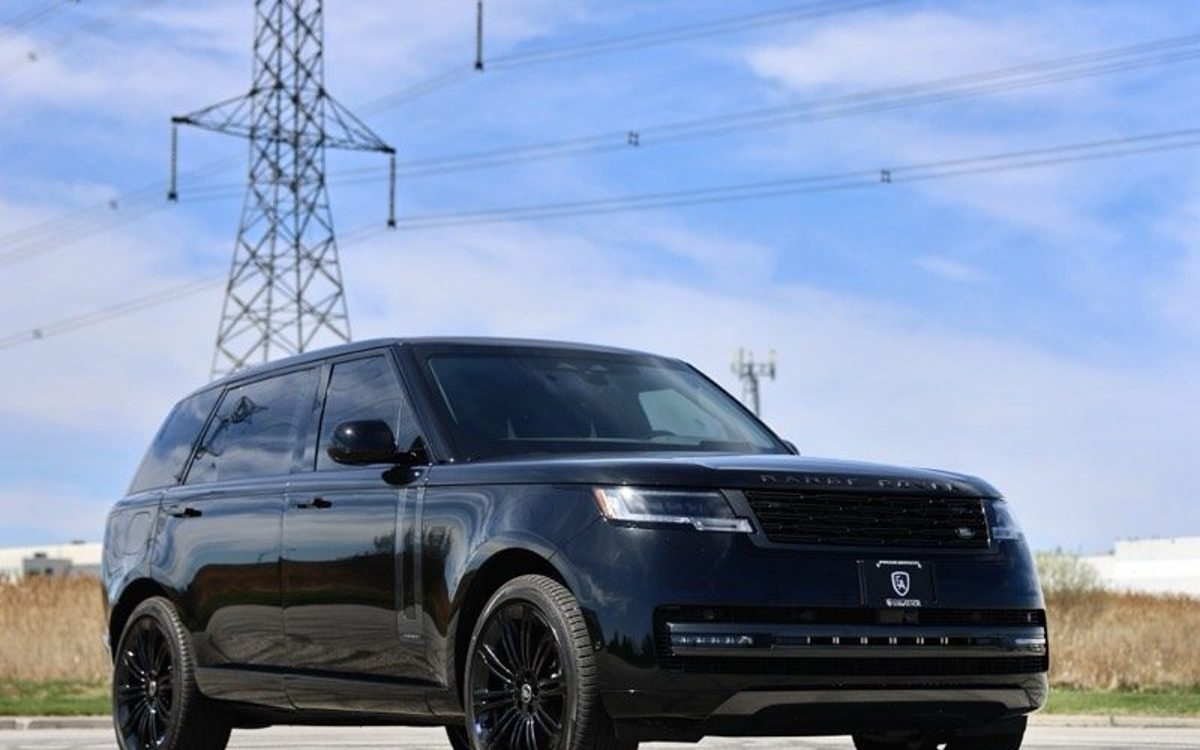
When executives ask us to compare an armored G-Wagon against an armored Range Rover, they’re really asking a deeper question: which armored SUV best matches how they live, travel and want to be seen? Both are exceptional platforms for protection, yet they express security in very different ways. In this guide we’ll break down presence and image, engineering and ride, off-road ability, cabin space, and how each vehicle carries the weight of armour — so you can decide which one is right for you.
Two Icons, Two Philosophies
The Mercedes-Benz G-Class and the Range Rover are both blue-chip choices, but they were born from opposite design intents. The G-Wagon is a body-on-frame military descendant — upright, boxy and unapologetically commanding. The Range Rover is a monocoque luxury flagship built around refinement, air suspension and understated authority. When you add armour to either, those underlying philosophies become even more pronounced.
Neither is objectively “better.” The right answer depends on your threat profile, your environment, and the message you want your vehicle to send. Below, we compare them the way our engineering and consultation team does when advising clients.
Presence & Image: Authority vs Discretion
The most immediate difference between a bulletproof G-Class and an armored Range Rover is the statement each one makes before a single door opens.
The G-Wagon: Deliberate, Commanding Authority
An armored G-Wagon projects strength. Its slab sides, exposed hinges and squared stance read as serious and immovable — which is exactly the point for many principals. In regions where visible capability is a deterrent, that presence works in your favour. It signals that the occupant is protected and prepared, and it can discourage opportunistic threats simply by looking formidable.
The Range Rover: Quiet, Blended Discretion
An armored Range Rover does the opposite. Its smooth, contemporary lines let it disappear into affluent traffic. To the untrained eye it’s simply a luxury SUV, indistinguishable from thousands of unarmoured examples on the road. For principals who value low profile and don’t want to advertise that they travel protected, the Range Rover’s discretion is a genuine security asset.
As a rule of thumb: choose the G-Wagon when deterrence and presence matter most; choose the Range Rover when blending in is the priority.
Engineering: Body-on-Frame vs Monocoque & Air Suspension
Underneath the badges, these two SUVs are engineered on fundamentally different architectures, and that shapes how well each one absorbs the demands of armouring.
- G-Wagon — body-on-frame. A separate ladder frame carries the body, giving the G-Class immense structural rigidity and a naturally rugged platform. This robustness makes it well suited to carrying the additional mass of a full armour package, and its solid axles are built to take punishment.
- Range Rover — monocoque with air suspension. The Range Rover uses a unibody structure paired with height-adjustable air springs. It’s lighter and more sophisticated on the road, delivering a supremely smooth ride, but the added weight of armour must be managed carefully so that suspension, braking and ride height all stay within safe, factory-like tolerances.
Both can be armoured to a very high standard. The difference is how the weight is handled — and that’s where the manufacturer’s engineering discipline matters far more than the badge.
Handling the Weight of Armour
Any credible armour package adds significant mass through ballistic steel or composites in the body cavities, multi-layer transparent armour in the glass, and reinforcement at the pillars, floor and firewall. A vehicle that isn’t re-engineered to compensate will feel heavy, brake poorly and ride badly.
On the G-Wagon, the stout frame and heavy-duty running gear give engineers a strong foundation to build on. On the Range Rover, the air suspension can be recalibrated and components upgraded so the vehicle self-levels and retains its trademark composure. In both cases we upgrade suspension components, brakes and sometimes wheels and tyres so the finished vehicle drives, stops and corners in a controlled, predictable way. When this work is done properly, an occupant should barely notice the difference from stock — and that is the hallmark of a well-built armored SUV.
Ride Comfort & Cabin Space
Ride Quality
On pavement, the Range Rover generally holds the edge in outright comfort. Its air suspension soaks up road imperfections and keeps the cabin serene, which is ideal for long transfers, city driving and executives who work or rest en route. The G-Wagon rides more firmly and feels more mechanical — many owners love that character, but it is a different, more purposeful experience.
Interior & Practicality
- G-Wagon: Upright glasshouse and generous headroom, with a tall, commanding driving position. Rear space is comfortable, though the boxy shape prioritises presence over lounge-like sprawl.
- Range Rover: Longer, lower and available in extended-wheelbase form, it offers exceptional rear legroom and a more limousine-like environment — a strong choice when the principal is chauffeured and cabin comfort is paramount.
Off-Road & All-Terrain Capability
Both SUVs are genuinely capable off the tarmac, which matters when routes may include unpaved roads, rough terrain or the need to leave a paved route quickly.
- G-Wagon: Three locking differentials and that rugged ladder frame make it outstanding in demanding, low-traction conditions. It is arguably the more hardcore off-roader and shrugs off abuse.
- Range Rover: Sophisticated terrain-response systems and adjustable air suspension give it remarkable all-terrain ability with far more on-road polish. It climbs, wades and traverses with composure while still pampering occupants.
For extreme environments and maximum ruggedness, the G-Wagon has a slight edge. For versatile capability blended with luxury, the Range Rover is hard to beat.
Who Each Vehicle Suits
Choose the Armored G-Wagon If…
- You want visible authority and a deterrent presence.
- You operate in tougher environments where ruggedness is a priority.
- You value a commanding, upright driving position and iconic status.
Explore our approach to the armored Mercedes G-Wagon to see how we preserve its character while adding protection.
Choose the Armored Range Rover If…
- Discretion and a low profile are central to your security plan.
- You prioritise ride comfort and rear-cabin space for chauffeured travel.
- You want luxury and capability without announcing that you’re protected.
See how we protect the armored Range Rover while retaining its signature refinement.
How to Decide
When we run an armored SUV comparison for a client, we start with the mission rather than the badge. Consider your typical routes and threat environment, whether presence or discretion serves you better, how much time you spend in the rear seat, and how important outright off-road ability really is. Then we match the platform to a protection level — from handgun-rated packages up to high-level rifle protection — and engineer the vehicle so it drives, brakes and rides as close to factory as possible.
Pricing depends heavily on the platform you choose, the protection level, and the options you add, so there is no single number that fits every build. The most useful next step is a conversation about how and where you travel.
Still weighing an armored G-Wagon against an armored Range Rover? We’re happy to help you think it through with no pressure. Contact us for a free, no-obligation consultation and we’ll recommend the platform and protection level that genuinely fit your needs.